What is a short distribution channel?
June 15, 2023
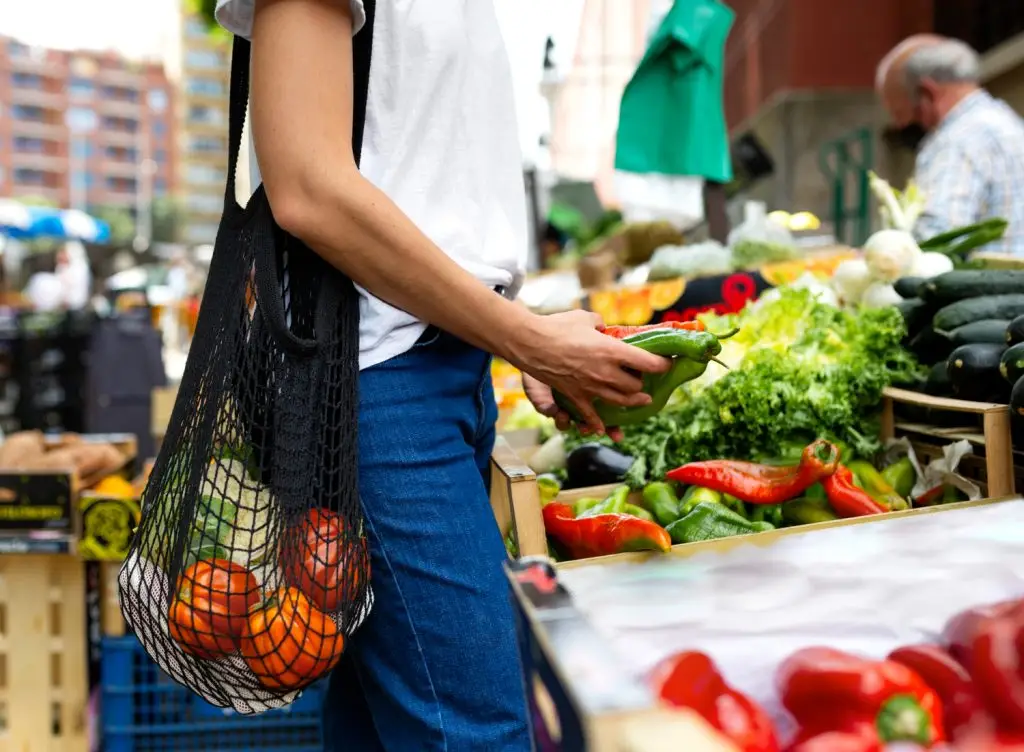
You may not know it, but at some point in your life you have walked past a short distribution channel and not noticed it.
Direct selling, proximity selling or KM 0 products are terms we never use, but which we know quite well.
Have you ever been to a holiday village and walked into one of those shops that seems like time has not passed for them? Jars of honey from a neighbouring farm appear on their shelves, catching your eye and your palate. Well, this is a case of a short distribution channel: the beekeeper takes his honey directly to the shop without going through distribution channels or intermediaries.
Publish your garden for free today
What is a short distribution channel?
A short distribution channel, also known as a direct distribution channel, refers to a distribution system in which products or services move directly from the producer or manufacturer to the final consumer, without the intervention of additional intermediaries.
In a direct channel, the number of intermediaries traditionally present in conventional distribution channels is eliminated or minimised. These intermediaries may include wholesalers, retailers, sales agents or other logistical intermediaries.
Instead of going through multiple intermediaries, in a short channel, products are sold directly from the producer to the consumer. That is, the number of intermediaries in the sale of food is one or none.
Where is the origin of the short distribution channel?
Although this form of marketing is very old, we somehow lost it when the "supermarket" and now the so-called "department stores" came into our lives.
We agree on the coexistence of both ways of consuming food, where we can choose a fairer and more sustainable way of consuming for the whole chain.
The term channel short distribution was defined for the first time in the European Union by means of the Reglamento UE no 1305/2013 of the European Parliament and of the Council of 17 December 2013 on support for rural development by the European Agricultural Fund for Rural Development (hereinafter RUE 1305/2013).
The concept is supplemented by Commission Delegated Regulation EU No 807/2014 of 11 March 2014, which supplements the EU Regulation 1305/2013.
Advantages and disadvantages of the direct channel
Short distribution channels offer several advantages for both producers and consumers:
- More control over product quality by eliminating intermediaries.
- Fairer prices by avoiding third party mark-ups.
- Direct relationship with customers, fostering trust, communication and feedback between both parties.
- Smaller environmental footprint by shortening the distribution chain.
- Support for the local economy.
While direct distribution channels have several benefits, they can also have some disadvantages:
- Increased logistics workload by taking direct responsibility for distribution.
- Geographical limitations to reach a wide and diverse audience.
- Lower reach and visibility compared to other distribution channels.
- Increased financial risk due to reliance on direct-to-consumer sales.
- Less flexibility in supply, limiting the variety of products available to consumers.
This is one of the different ways to sell the products of your urban garden. European policies have now put in place systems to encourage this type of trade. Are you one of them?

Latest posts